A beautiful bouquet is more than a collection of colorful flowers. Its appearance depends on how individual blooms interact through shape, size, texture, and placement. Even arrangements featuring expensive flowers can appear disorganized when these elements are not considered carefully.
Visiting a floral shop Marietta can introduce customers to different floral design styles, from structured arrangements to natural garden-inspired compositions. Understanding the principles behind these designs makes it easier to appreciate professional floristry and select flowers that complement a particular space or occasion.
Balance Begins With Flower Proportions
Proportion determines how comfortably an arrangement fits within its container and surrounding environment. Large blooms naturally attract attention, making them useful as focal points. Smaller flowers can fill spaces between prominent stems without competing for attention. An arrangement containing too many large flowers may appear crowded. Conversely, excessive greenery or tiny blooms can make the overall composition feel scattered.
Florists often combine flowers of different sizes to establish visual hierarchy. A few prominent blooms create direction, while supporting flowers introduce depth. Container selection also affects proportion. Tall vases generally require a different arrangement structure from shallow bowls or compact decorative containers.
Color Harmony Shapes the Overall Impression
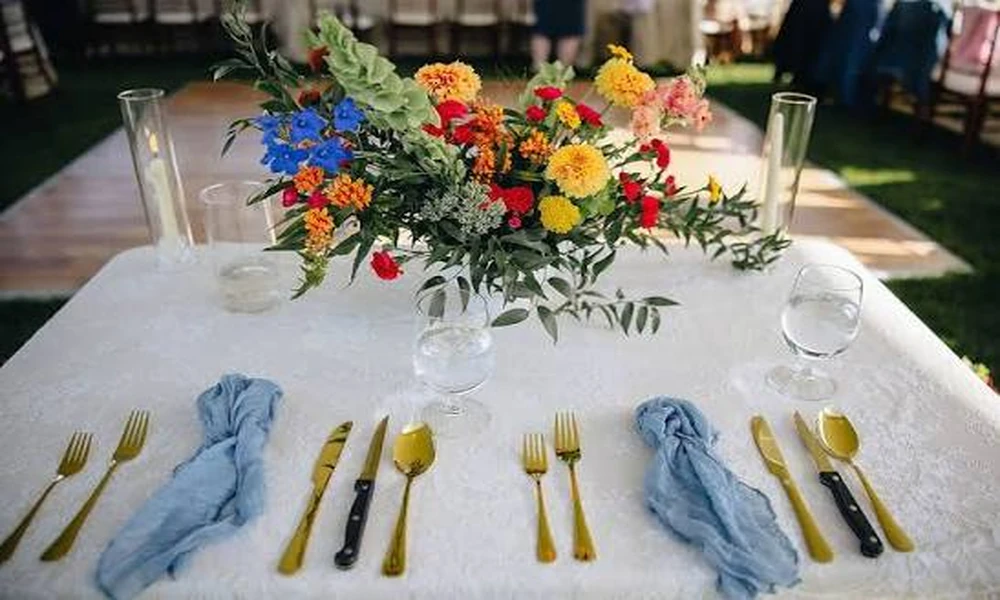
Flower colors influence the mood and character of an arrangement. A monochromatic bouquet uses variations of one color to create a coordinated appearance. For example, combining pale pink, blush, and deeper rose-colored flowers produces subtle contrast without introducing unrelated shades. Complementary combinations, such as purple and yellow, create stronger visual energy.
Neutral flowers can help balance brighter colors and prevent an arrangement from becoming overwhelming. The choice depends partly on the intended setting. A lively celebration may benefit from contrasting colors, while a formal reception might suit a restrained palette. Lighting matters too. Colors that look vibrant in daylight may appear different under warm indoor lighting.
Texture Makes Arrangements More Interesting
Texture introduces variety beyond color and flower size. Smooth rose petals, delicate filler flowers, and structured greenery create different visual surfaces. Combining these elements thoughtfully can make a bouquet appear fuller without relying entirely on additional blooms.
People exploring Roses in Sandy Springs may notice how rose arrangements change when paired with different supporting flowers and foliage. A rose-focused bouquet can look classic and structured, while adding airy greenery or smaller blossoms creates a softer garden-inspired appearance. Texture should contribute to the overall design rather than distract from its main flowers. Too many competing elements can make an arrangement feel visually busy.
Shape and Movement Create a Natural Flow
Floral arrangements can be symmetrical, asymmetrical, rounded, or loosely structured. Symmetrical designs provide a formal appearance through balanced placement on either side of a central point. Asymmetrical arrangements create visual interest by distributing flowers unevenly while maintaining an overall sense of balance.
Natural garden-style compositions often feature stems extending at different heights, suggesting movement. Neither approach is inherently better. The appropriate shape depends on the intended atmosphere and display location. For example, a low rounded centerpiece may be practical for dining tables, while a taller arrangement can draw attention in an entryway.
Why Negative Space Matters
An arrangement does not need to be filled with flowers from every angle. Negative space refers to the open areas between blooms and stems. These spaces help individual flowers remain visible and give the design room to breathe. Without sufficient spacing, delicate varieties may disappear behind larger blooms.
Open arrangements can feel especially elegant when flowers have distinctive shapes worth highlighting. However, leaving excessive gaps may make a bouquet appear unfinished. Achieving balance involves distributing flowers so that the composition feels intentional rather than crowded or sparse.
Selecting the Right Container
A vase influences both the appearance and stability of a floral arrangement. Clear glass containers create a clean presentation and allow stems to remain visible. Ceramic vessels can provide stronger visual contrast, while compact containers work well for smaller displays.
The opening of the vase affects how widely stems spread. A narrow opening can help support an upright design, whereas wider containers may require additional structural planning. Practical considerations matter just as much as appearance. Containers should provide adequate water capacity, remain stable, and suit the intended display surface.
Floral Care Preserves the Original Design
Proper maintenance helps an arrangement retain its intended appearance. Fresh flowers generally benefit from clean water, appropriate stem care, and placement away from direct heat.
Wilted foliage and deteriorating blooms should be removed when necessary. Different flower varieties may have specific care requirements, making florist-provided instructions particularly useful. Maintaining the arrangement carefully allows its colors, proportions, and textures to remain attractive for longer.
Conclusion
The beauty of a floral arrangement comes from thoughtful relationships between flowers, colors, textures, and surrounding space. Understanding these design principles helps customers recognize why certain bouquets feel harmonious while others appear overcrowded.
With collections ranging from classic roses to colorful mixed arrangements, flowersofmarietta.com provides examples of different floral presentation styles. Whether selecting a compact bouquet or an elaborate centerpiece, balance and thoughtful design remain essential to creating an attractive arrangement.